Considering Dental Implants? Here's What the Treatment Process Really Looks Like
Considering Dental Implants? Here's What the Treatment Process Really Looks Like
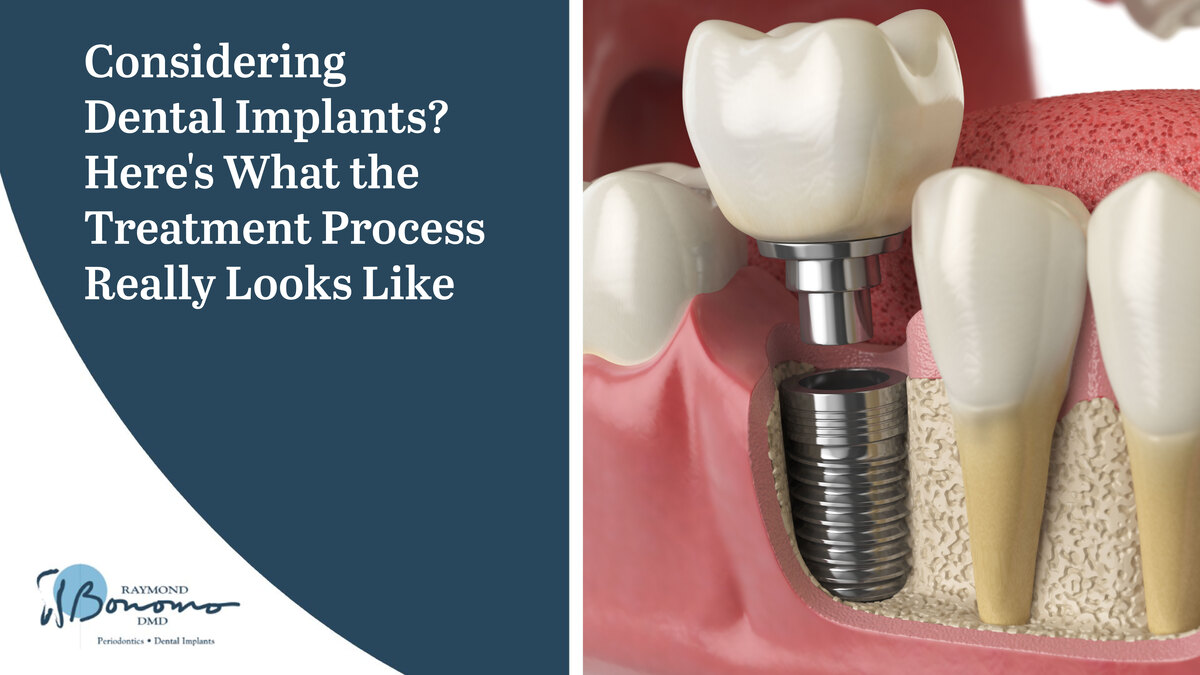
Have you been putting off replacing a missing tooth because you’re not sure what the process involves? Many patients delay treatment because they feel uncertain about timelines, cost, or whether they even qualify.
Dental implants offer a permanent, minimally invasive solution that restores function and prevents the bone loss that other replacement options leave unaddressed.
Implants work for a single missing tooth, several teeth, or an entire arch. With proper care, results can last a lifetime.
This article walks you through how implants compare to other options, what the treatment process involves, and what life looks like after placement.
How Dental Implants Compare to Other Tooth Replacement Options
Several options exist for replacing missing teeth, but they differ significantly in longevity, bone preservation, and daily comfort.
- Flippers are removable partial dentures used as a temporary solution. They last one to three years, require periodic adjustments, and do not prevent bone loss.
- Traditional dentures generally last five to seven years and also require regular adjustments. They transmit chewing force to the gums rather than the bone, which can contribute to bone resorption and changes in facial appearance over time.
- Dental bridges last roughly seven to ten years but rely on adjacent healthy teeth for support. These neighboring teeth must be filed down to anchor the bridge, which compromises their long-term integrity.
Dental implants are the only option that transmits chewing force directly to the jawbone, preserving bone density, and preventing facial changes associated with tooth loss. They do not depend on adjacent teeth for support and require no periodic adjustments.
For patients looking for a stable, long-term solution, implants consistently outperform every alternative.
Who Is a Candidate for Dental Implants?
Most healthy adults who have lost one or more teeth are strong candidates for dental implant treatment. During your initial consultation, your periodontist evaluates several factors to determine the right path forward.
General Health Considerations
Good overall health supports successful implant placement and healing. Certain conditions may need to be managed before treatment can begin, including:
- Uncontrolled diabetes
- Active gum disease
- Autoimmune disorders
- Smoking or tobacco use
Your periodontist will review your health history during your consultation to ensure your body is in the best position to heal properly and maintain the implant for years to come.
Bone Density and Jawbone Health
Implants are placed in areas of the jaw with the highest bone density. This strategic placement provides a strong and stable foundation.
Patients who have experienced bone loss due to tooth extraction, gum disease, or long-term denture use may still qualify after a bone grafting procedure rebuilds the necessary support.
Advanced imaging during your consultation allows your periodontist to assess bone volume and determine the most effective placement for each implant.
Commitment to Oral Hygiene

Long-term implant success depends on consistent care at home and regular professional checkups. Patients who maintain good brushing and flossing habits and attend routine visits give their implants the strongest chance of lasting a lifetime.
What to Expect During Dental Implant Treatment
Understanding the treatment process helps you prepare for each stage with confidence. Every case is unique, but the general steps follow a clear progression from consultation through final restoration.
Single Tooth and Multi-Tooth Implants
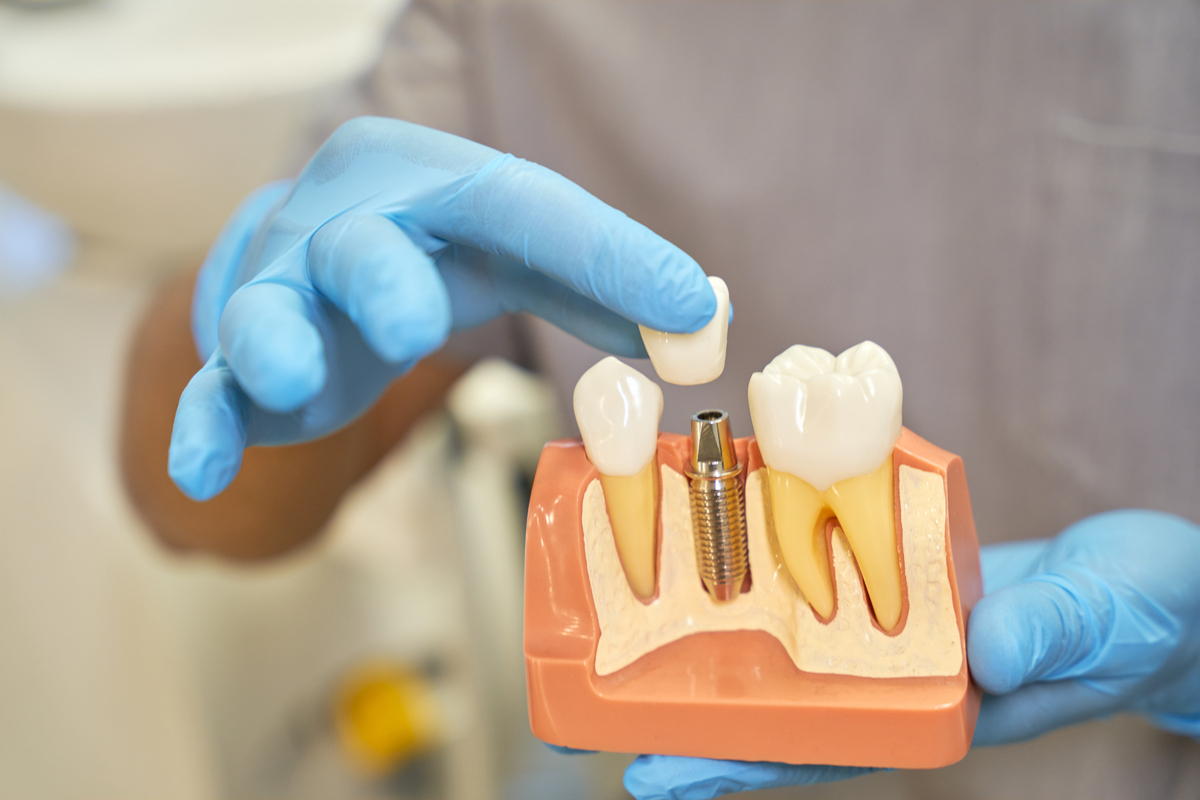
For patients replacing one or a few teeth, a titanium implant post is placed into the jawbone at the site of the missing tooth.
Over the following months, the bone gradually fuses with the implant through a process called osseointegration. This creates a permanent anchor that mimics the strength of a natural tooth root.
Once the implant is fully integrated with the bone, a custom crown or bridge is attached. The final restoration is designed to match the shape, size, and color of your surrounding teeth for a seamless result.
Full Arch Restoration
Patients who are missing most or all of their teeth in one arch may benefit from a full arch restoration, commonly known as All-on-4 or All-on-X. This approach uses 4-6 strategically placed implants in areas of highest bone density to support a complete set of replacement teeth.
The process follows a two-stage prosthetic approach. After the implants are placed, an initial prosthetic arch is fitted, so you leave the office with functional teeth the same day. Once the bone has fully fused with the implants, a second stronger prosthetic is placed for long-term durability and comfort.
Full arch restoration eliminates the need for removable dentures. It gives patients a fixed, permanent solution that restores full chewing function and a natural appearance.
Comfort During Treatment

The procedure is performed as an outpatient surgery under sedation. Most patients report that the experience is more comfortable than they expected.
Your care team at Bonomo Periodontics guides you through every step with clear communication and personalized attention, so you know exactly what to expect before, during, and after placement.
To learn more about specific implant procedures, visit our dental implants and Teeth-in-a-Day service pages.
Eating and Speaking with Confidence
Once fully healed, dental implants allow you to eat the foods you enjoy and speak clearly without worry.
Removable dentures can shift or click during meals and conversation. Implants are fixed in place and function like natural teeth. Many patients describe the difference as life-changing, especially those who dealt with the limitations of dentures or missing teeth for years.
Caring for Your Implants
Dental implants require the same daily care as natural teeth. A consistent routine helps keep the surrounding gum tissue healthy and prevents complications:
- Brush twice a day
- Floss daily
- Attend regular dental checkups
Your periodontist may recommend a specific maintenance schedule based on your individual needs.
Long-Term Results
With proper care, dental implants can last a lifetime. They integrate directly with the jawbone, preserve bone density, and maintain facial structure.
Implants support overall oral health for years to come and represent an investment in long-term comfort, function, and confidence.
Schedule Your Dental Implant Consultation at Bonomo Periodontics
Dr. Raymond Bonomo specializes in dental implant placement using a minimally invasive approach tailored to each patient's needs. His focus is on comfort, precision, and lasting results.
Bonomo Periodontics offers personalized care designed to meet your specific goals for single tooth replacement and full arch restoration alike. Every treatment plan begins with a thorough evaluation and honest conversation about what will work best for your situation.
Ready to learn more? Contact Bonomo Periodontics today to schedule your evaluation and discover which implant solution is right for you.