Gum Recession Causes, Treatments, and When to Seek Professional Help
Have you recently noticed that your gums look higher than they used to, or that a tooth appears longer? Noticing that your gums are pulling away from your teeth can feel unsettling, especially when the change seems to happen gradually. This shift in appearance is often the first sign that your gums are no longer protecting your teeth the way they should.
Gum recession is more than a cosmetic concern. It exposes the roots of your teeth, increases the risk of decay, and can weaken the bone and tissue that support your smile. Understanding why it happens and how it is treated can help you take the right steps early, before the problem progresses.
Many patients are relieved to learn that gum recession can be managed effectively, and in many cases, corrected with specialized periodontal treatment. With the right information and timely evaluation, you can protect your long-term oral health and prevent further damage.
This article explains what gum recession is, the most common causes, the treatment options available, and the signs that it is time to schedule an evaluation with a periodontist.
What Is Gum Recession?
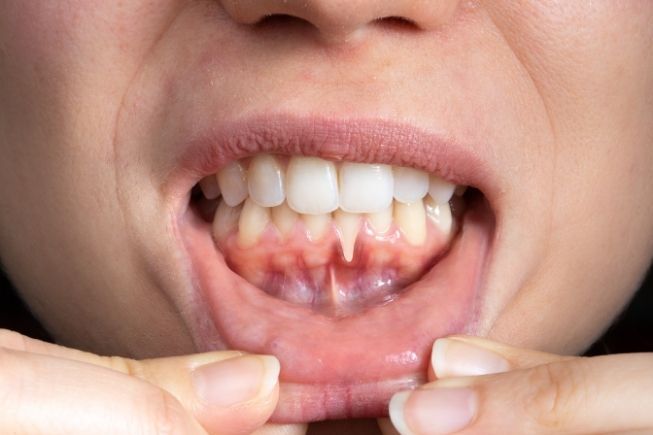
Gum recession occurs when your gum tissue pulls away from your teeth and exposes the root surfaces. Because roots are not protected by enamel, this exposure can lead to sensitivity, higher risk of decay, and changes in the way your smile looks.
Recession often develops slowly, which means many people do not notice it until symptoms appear. Early evaluation is important because catching recession early can prevent more significant tissue and bone loss.
Once you understand what recession is, the next step is to learn why it happens in the first place.
Common Causes of Gum Recession
Gum recession has multiple possible causes, and identifying the reason behind your symptoms is key to finding the right treatment.
Periodontal Disease
Gum disease is one of the leading causes of recession. Inflammation from harmful bacteria damages the tissues and bone that support your teeth. As this support weakens, the gums gradually recede.
Understanding how gum disease contributes to recession can help you recognize the importance of early periodontal care.
Aggressive Brushing or Poor Technique
Brushing too hard or using the wrong brushing method can wear down gum tissue over time. Soft bristles and gentle circular motions are recommended to clean effectively without irritating the gums.
If brushing habits are a concern, simple adjustments can make a noticeable difference.
Genetics and Thin Gum Tissue
Some people naturally have thinner gum tissue that is more prone to recession. Genetics can also affect your risk of developing gum disease, which may increase your likelihood of experiencing gum recession.
Recognizing inherited factors helps patients understand that recession is not always related to hygiene practices alone.
Tobacco Use
Smoking and smokeless tobacco restrict blood flow to the gums, which slows healing and increases the risk of recession. Reduced circulation also makes the gums more vulnerable to infection and inflammation.
Quitting tobacco can significantly improve gum health and reduce the risk of future recession.
Orthodontic Changes or Bite Pressure
Grinding, clenching, crowding, and misalignment can place excessive force on the gums and bone. Over time, this pressure can cause gum tissue to recede.
When bite problems contribute to recession, addressing alignment is an important part of long-term treatment.
With the causes understood, the next step is exploring treatments that can restore gum health and protect exposed root surfaces.

Treatment Options for Gum Recession
Treatment depends on the severity of recession and the underlying cause. A periodontist can recommend the most effective approach after evaluating your gum's health and bone support.
Soft Tissue Grafting
Soft tissue grafting is one of the most effective ways to correct gum recession. This procedure adds new, healthy tissue to areas where the gums have thinned or receded, and can:
- Cover exposed roots
- Strengthen thin gum tissue
- Prevent further tissue loss
- Improve appearance and comfort
Grafting creates a healthier, more resilient gumline that protects your teeth for the long term.
Scaling and Root Planning
If gum disease is present, treatment begins with a deep cleaning to remove bacteria and smooth the root surfaces. This helps the gums reattach and reduces inflammation, which can prevent further recession.
This step is often an important foundation before considering restorative procedures.
Bite Adjustment or Orthodontic Recommendations
If recession is caused by bite pressure, grinding, or misalignment, your provider may recommend adjustments or orthodontic care. Reducing excess force helps protect both the gums and the supporting bone.
Correcting bite issues supports long-term gum stability.
At-Home Support
Once professional treatment is completed, maintaining your results relies on consistent daily care. This includes gentle brushing, daily flossing or interdental cleaning, and attending recommended periodontal visits.
Good habits help prevent future irritation and protect your treatment results.
When to Seek Help for Gum Recession
You should schedule an evaluation if you notice:
- A tooth that appears longer than before
- Sensitivity to brushing or cold temperatures
- Gumline notching or visible root surfaces
- Bleeding or inflammation around the gums
- Shifting teeth or changes in your bite
Early treatment can prevent bone loss, reduce discomfort, and protect your long-term oral stability. Even mild changes in the gumline deserve attention.
Protect Your Gum Health with Bonomo Periodontics
Gum recession should never be ignored. With specialized periodontal care, many cases can be corrected or stabilized before they lead to more serious issues.
Dr. Raymond Bonomo provides advanced treatments that rebuild and protect gum tissue while focusing on patient comfort and long-term health. Whether you are experiencing early signs of recession or more advanced symptoms, professional evaluation is the best way to understand your options.
Ready for an expert assessment? Contact Bonomo Periodontics today to schedule an appointment and learn which treatment approach is right for you.