What Foods Are Good for Healing Your Gums? 7 That Help and 3 That Harm
Do you brush and floss daily but still deal with tender, inflamed, or bleeding gums? Your oral hygiene routine is important, but it may not be enough on its own.
What you eat directly influences your body's ability to maintain healthy gum tissue, fight inflammation, and resist infection. The foods you choose each day can strengthen your gums or leave them more vulnerable to disease, even when your brushing and flossing habits are consistent.
This article explains which foods help protect your gums, which ones may cause harm, and how to pair nutrition with professional care for lasting results.
How Nutrition Affects Gum Health and Healing
What you eat plays a direct role in gum health. Nutrients help regulate inflammation, support immune response, and maintain strong gum tissue and bone.
Poor nutrition can weaken the body's ability to fight infection, making gums more vulnerable to disease even when daily oral hygiene is consistent. When your diet lacks essential vitamins and minerals, gum tissue may heal more slowly after treatment, and inflammation can persist despite careful brushing and flossing.
Understanding which foods support gum health helps you make daily choices that strengthen your body's natural defenses. Some foods provide antioxidants that calm inflammation, while others stimulate saliva production to help remove plaque naturally.
Now let's explore the specific foods that can protect your gums and support long-term oral health.
7 Types of Foods That Are Good for Your Teeth and Gums
Including these nutrient-rich foods in your regular diet gives your gums the support they need to stay healthy and resilient.
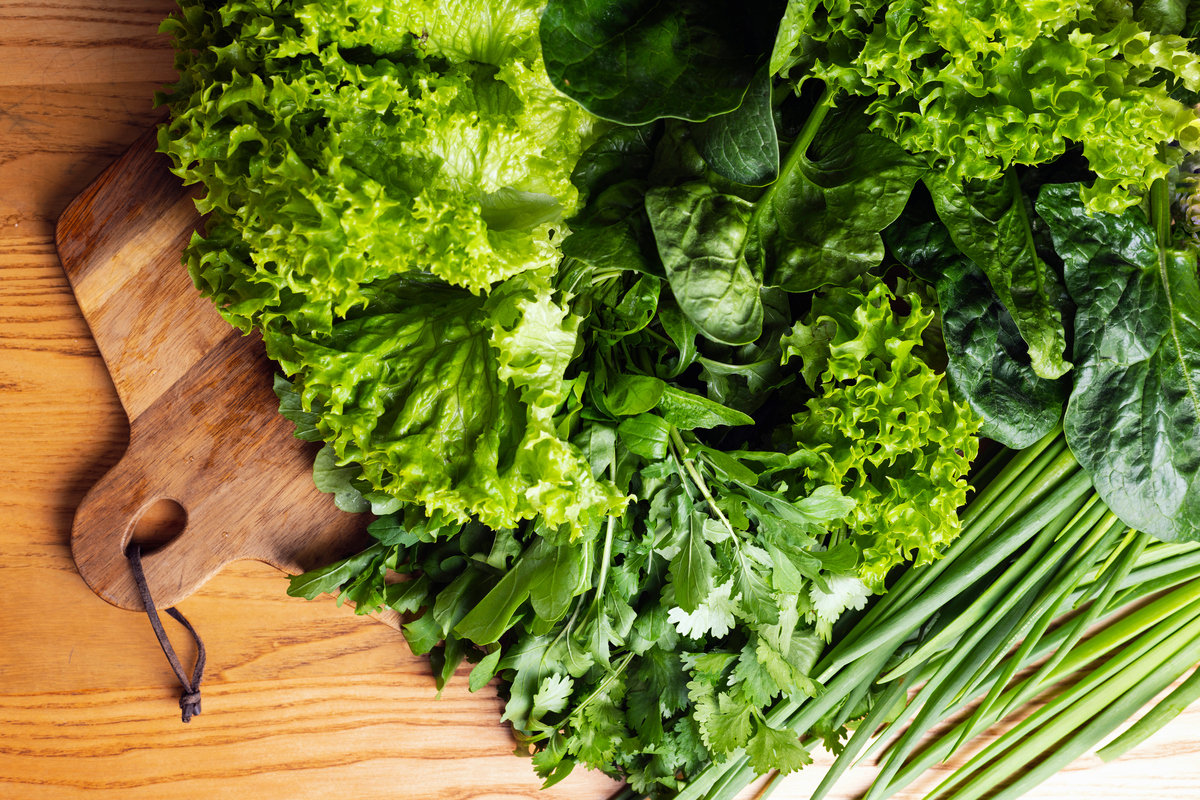
1. Leafy Greens Reduce Inflammation and Support Tissue Repair
Leafy greens such as spinach and kale provide vitamins and antioxidants that support gum tissue and help reduce inflammation. These vegetables are rich in vitamin C and folate, both of which play important roles in tissue repair and immune function.
Adding a serving of leafy greens to your meals several times a week can help your body manage inflammation naturally.
2. Fatty Fish Rich in Omega-3s Help Manage Gum Inflammation
Salmon, sardines, and tuna contain omega-3 fatty acids that help manage inflammation linked to periodontal disease. Omega-3s support the body's healing response and may reduce the severity of gum inflammation when consumed regularly.
Patients who include fatty fish in their diet often notice improvements in overall tissue health.
3. Dairy Products Strengthen Jawbone and Neutralize Acids
Milk, yogurt, and cheese provide calcium and protein that support bone strength and help stabilize teeth. Strong jawbone density is essential for maintaining healthy gums and preventing tooth loss as you age.
Dairy products also help neutralize acids in the mouth, creating a less favorable environment for harmful bacteria.
4. Crunchy Fruits and Vegetables Stimulate Saliva and Remove Plaque
Apples, carrots, and celery stimulate saliva production and help naturally remove plaque from tooth surfaces. The physical act of chewing these foods massages gum tissue and encourages blood flow, which supports healing and nutrient delivery.
These foods work as a natural cleaning mechanism between brushings.
5. Citrus Fruits Provide Vitamin C for Gum Tissue Health
Oranges and grapefruits supply vitamin C, which supports gum tissue health and healing when consumed in balanced amounts. Vitamin C is essential for collagen production, a protein that keeps gum tissue strong and resilient.
Enjoying citrus fruits as part of a varied diet helps ensure your gums receive the nutrients they need without exposing them to excessive acidity.
6. Nuts and Seeds Support Immune Health and Reduce Inflammation
Almonds, walnuts, and seeds provide essential nutrients that support immune health and tissue repair. These foods contain healthy fats, vitamins, and minerals that help reduce inflammation throughout the body, including gum tissue.
A small handful of nuts makes a gum-friendly snack that also supports overall health.
7. Green Tea Reduces Bacteria and Supports Healthier Gums
Green tea contains antioxidants that may help reduce bacteria and inflammation associated with gum disease. Studies suggest that regular green tea consumption can support healthier gum tissue and limit increased periodontal pocketing over time.
Drinking green tea as part of your daily routine offers a simple way to support gum health naturally.
Including these foods in your diet creates a strong foundation for healthy gums. However, some common foods can have the opposite effect.
3 Types of Foods That Weaken Gums and Increase Inflammation
Certain foods and beverages create conditions that make gum inflammation and infection more likely. Reducing your intake of these items helps protect the progress you make through daily oral care and professional treatment.

1. Sugary Snacks Feed Bacteria That Cause Gum Inflammation
Sugar feeds harmful bacteria that contribute to plaque buildup and gum inflammation. When bacteria consume sugar, they produce acids that irritate gum tissue and weaken tooth enamel.
Frequent snacking on sugary foods throughout the day gives bacteria a constant fuel source, increasing the risk of gum disease.
2. Refined Carbohydrates Break Down into Sugars and Increase Plaque
White bread, chips, and processed foods break down into sugars that increase bacterial growth around the gums. These foods also tend to stick to teeth, creating an environment where plaque forms more easily.
Choosing whole grains instead of refined carbohydrates supports both gum health and overall nutrition.
3. Acidic Foods and Drinks Irritate Gum Tissue
Frequent exposure to acidic foods and beverages can irritate gum tissue and weaken enamel when not balanced with proper oral care. Soda, energy drinks, and even some fruit juices can create an acidic environment that makes gums more susceptible to irritation.
Rinsing with water after consuming acidic foods helps minimize their impact on gum tissue.
Understanding which foods support or harm your gums allows you to make informed choices each day. However, nutrition alone cannot address existing gum diseases.

How to Repair Gums: Nutrition and Professional Care
A healthy diet supports gum tissue and overall oral health, but it cannot reverse gum disease on its own. Professional cleaning, early diagnosis, and periodontal treatment remain essential for long-term gum health.
If gum disease has already developed, bacteria have established pockets below the gum line that daily brushing and improved nutrition cannot reach. Only professional periodontal treatment can remove this buildup and restore gum health.
Nutrition works best when paired with daily oral hygiene and regular periodontal evaluations. Patients who combine a gum-friendly diet with consistent professional care often experience better outcomes and faster healing after treatment.
Dr. Bonomo and his team help patients understand how lifestyle choices support their treatment goals and create personalized plans that address both clinical needs and daily habits.
Protect Your Gum Health with Bonomo Periodontics
Bonomo Periodontics helps patients maintain healthy gums through personalized treatment plans, preventive care, and patient education. Dr. Raymond Bonomo combines advanced periodontal techniques with practical guidance on nutrition and home care to help every patient achieve lasting results.
If you are focused on prevention, managing early gum inflammation, or recovering from periodontal treatment, our team provides the support and expertise you need to protect your smile.
Ready to take the next step? Contact Bonomo Periodontics today to schedule an evaluation and learn how nutrition and periodontal care work together to protect your smile